The 3 Best Slow Cooking Methods For Fish
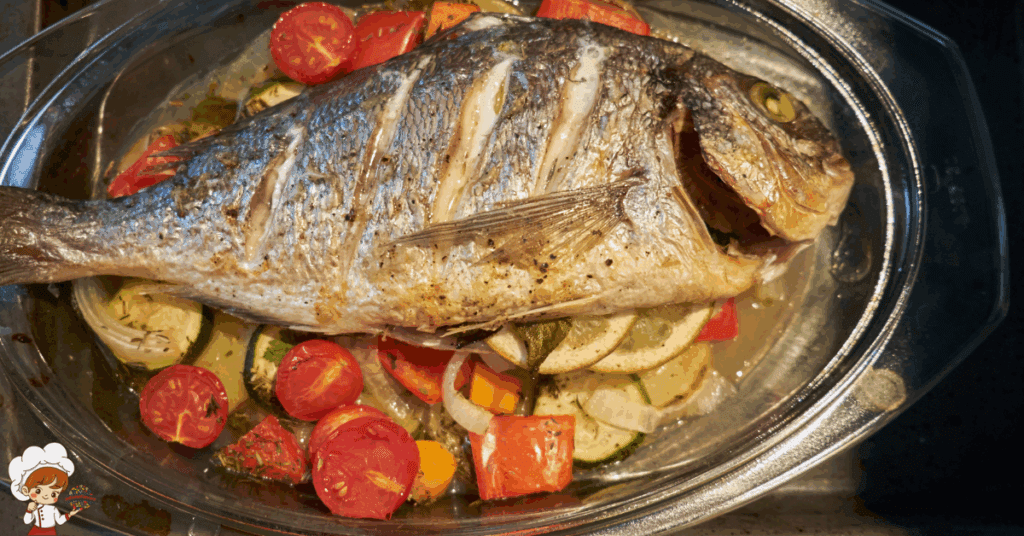
The 3 Best Slow Cooking Methods For Fish; To elevate your fish dishes, try these three slow cooking methods: sous vide, slow roasting, and poaching. With sous vide, you control the temperature perfectly, ensuring your fish stays tender and infused with flavors. Slow roasting at low temperatures enhances moisture and allows seasonings to shine. Finally, poaching gently keeps the fish moist, utilizing flavorful liquids like broth or wine. Each method offers unique benefits that can turn an everyday meal into something special. If you’re curious about how to get the best results with each technique, there’s plenty more to explore.
Sous Vide Cooking
Sous vide cooking is a game-changer for preparing fish, offering precise temperature control that guarantees perfectly cooked results every time. By sealing your fish in a vacuum bag and immersing it in a water bath at a set temperature, you can achieve the ideal doneness without the risk of overcooking. This method allows you to maintain the fish’s natural moisture and texture, ensuring a tender, flaky result.
One of the standout features of sous vide is its ability to infuse flavor effectively. You can add herbs, spices, or marinades directly into the bag with the fish before sealing it. As the fish cooks slowly in the water bath, these flavors meld beautifully into the protein, creating a delicious and aromatic dish. Imagine the taste of fresh dill or lemon zest permeating every bite of salmon as it cooks to perfection.
Using sous vide also means you can prepare your fish in advance, allowing you to serve a gourmet meal without the stress of last-minute cooking. Just set the water bath, drop in your seasoned fish, and let it work its magic. When you’re ready to serve, a quick sear on a hot pan can add an appealing crust while preserving the tender interior.
Incorporate sous vide into your cooking repertoire, and you’ll find it revolutionizes how you prepare fish, delivering consistently delicious meals that impress every time.
Slow Roasting
After mastering sous vide cooking, you might want to explore slow roasting as another fantastic method for preparing fish. This technique offers you the chance to enjoy perfectly cooked fish while allowing for delicious flavor infusion. When you slow roast fish, you’re cooking it at a lower temperature over a longer period, which helps to retain moisture and enhances the natural flavors of your ingredients.
Temperature control is key in slow roasting. Aim to set your oven between 250°F to 300°F for ideal results. This gentle heat allows the fish to cook evenly without drying out. You can use a variety of fish, from salmon to cod, and each will benefit from the slow roasting process.
To get started, you’ll want to season your fish with herbs, spices, and aromatics. Adding ingredients like lemon slices, garlic, or fresh herbs not only elevates the taste but also contributes to the flavor infusion. Place your seasoned fish on a baking dish, drizzle some olive oil, and let it roast slowly in the oven.
Keep an eye on the fish as it cooks; you’re looking for a tender, flaky texture. Using a meat thermometer can help you check for doneness, ensuring you don’t overcook it. With slow roasting, you’ll discover a new dimension of flavor in your fish dishes, making it a worthwhile addition to your cooking repertoire. Enjoy the process, and savor every bite!
Poaching Techniques
Poaching techniques offer a gentle and effective way to cook fish, ensuring it remains moist and flavorful. This method involves submerging fish in a simmering liquid, typically water, broth, or wine, which allows for precise temperature control. Maintaining a consistent temperature between 160°F to 180°F is vital, as it prevents the fish from becoming tough or rubbery.
To get the most out of your poaching experience, start by choosing the right liquid. Fish stock or broth can enhance the fish’s natural flavors, while wine and aromatics like herbs, garlic, or citrus elevate the dish with flavor infusion. Combine these elements in a shallow pan, and bring the liquid to a gentle simmer before adding your fish.
When placing the fish in the poaching liquid, make sure it’s fully submerged. Cooking times can vary based on the type and thickness of the fish—generally, it takes about 10 minutes per inch of thickness. It’s important to keep an eye on the temperature; if it gets too hot, the fish can become overcooked.
Once your fish is done, remove it from the liquid and let it rest briefly. You can serve it immediately or chill it for later use. Poached fish pairs beautifully with a variety of sides, like fresh salads or grains, making it a versatile option for any meal. Enjoy the delicate flavors and moist texture that poaching brings to your fish dishes!
Frequently Asked Questions: The 3 Best Slow Cooking Methods For Fish
What Types of Fish Are Best for Slow Cooking Methods?
When considering fish for slow cooking, you’ll want to choose varieties like salmon or cod. Their firm texture absorbs flavors well, ensuring a delicious flavor infusion that enhances your dish and elevates the entire experience.
How Long Should I Cook Fish Using Slow Cooking Methods?
When you’re slow cooking fish, aim for a cooking time of 1.5 to 3 hours. The longer you cook, the more pronounced the texture differences become, enhancing flavors while ensuring the fish remains tender and moist.
Can I Use Frozen Fish for Slow Cooking?
Yes, you can use frozen fish for slow cooking, but be mindful of safety concerns. Thaw it first to guarantee even cooking. Adjust cooking times, since frozen fish may require a bit longer to cook thoroughly.
What Spices Pair Well With Slow-Cooked Fish?
When cooking fish slowly, you’ll love experimenting with spice combinations like paprika and garlic, or dill and lemon. These flavor profiles enhance the dish, giving your meal a delightful and aromatic touch that’s simply irresistible.
Are There Health Benefits to Slow Cooking Fish?
Yes, there’re health benefits to slow cooking fish. It enhances flavor while ensuring nutritional preservation, making it a great choice. You’ll enjoy delicious meals packed with nutrients, all while keeping the cooking process simple and enjoyable.

Conclusion
Incorporating these slow cooking methods into your fish preparation can elevate your meals to new heights. Whether you choose sous vide for precision, slow roasting for rich flavors, or poaching for a delicate touch, each technique offers a unique way to enjoy fish. Experiment with different herbs and spices to personalize your dishes, and you’ll find that slow cooking not only enhances the taste but also preserves the fish’s moisture. Immerse yourself and savor the results!
If you enjoyed exploring this topic and want to dive even deeper, be sure to check out some of our other articles here on Infinite Flavors. From rich culinary histories to creative twists on classic recipes, there’s always something new to discover. Whether you’re curious about the origins of a dish, looking for fresh inspiration in the kitchen, or simply love learning about food culture, our collection of posts is the perfect next step on your flavor journey.
Ultimate Guide 14 Slow Cooking Soup Recipes
What Are Delightful Slow Cooking Techniques For Great Desserts
Three Great Essential Slow Cooking Techniques For Holidays