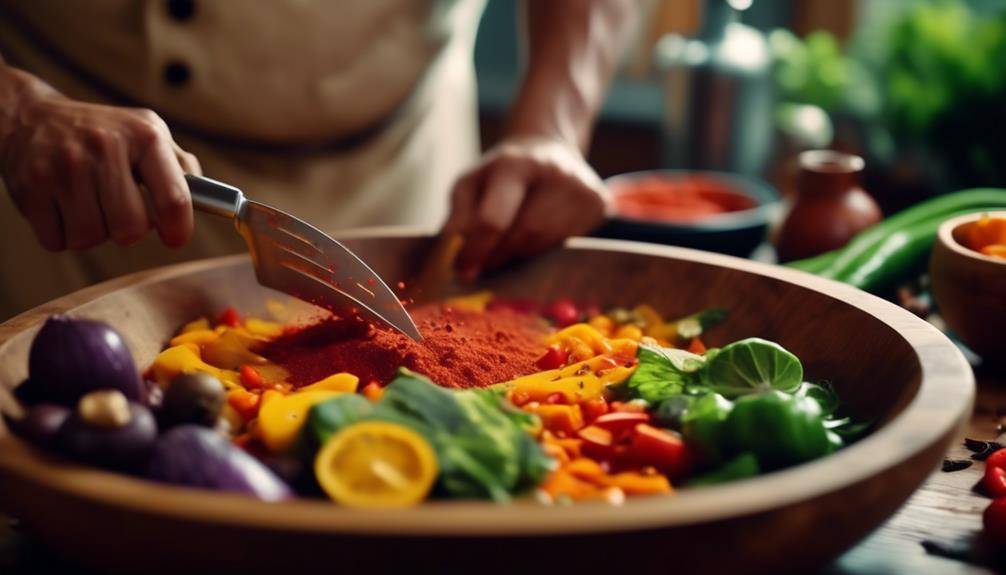
The Best Cheese For Gratinating Dishes
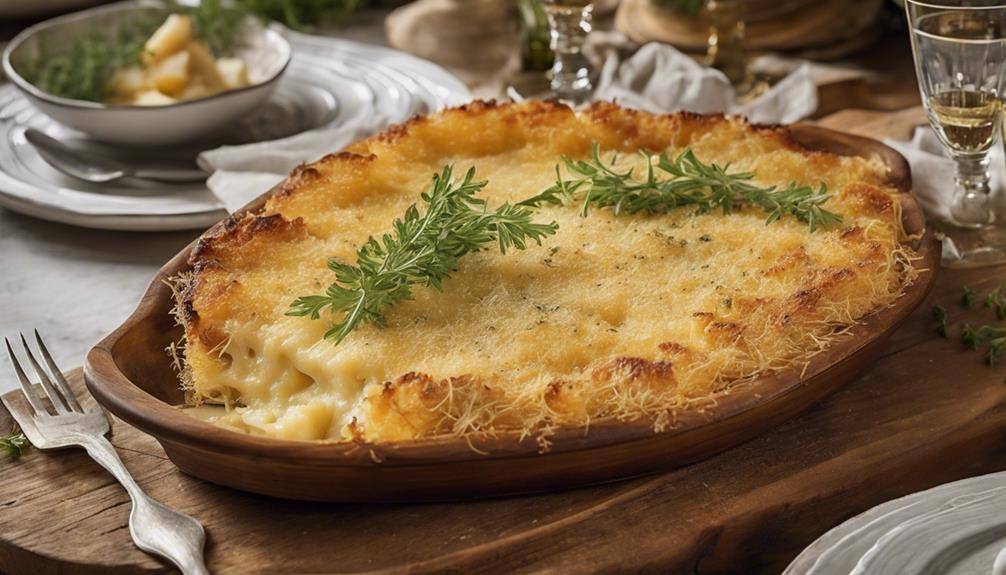
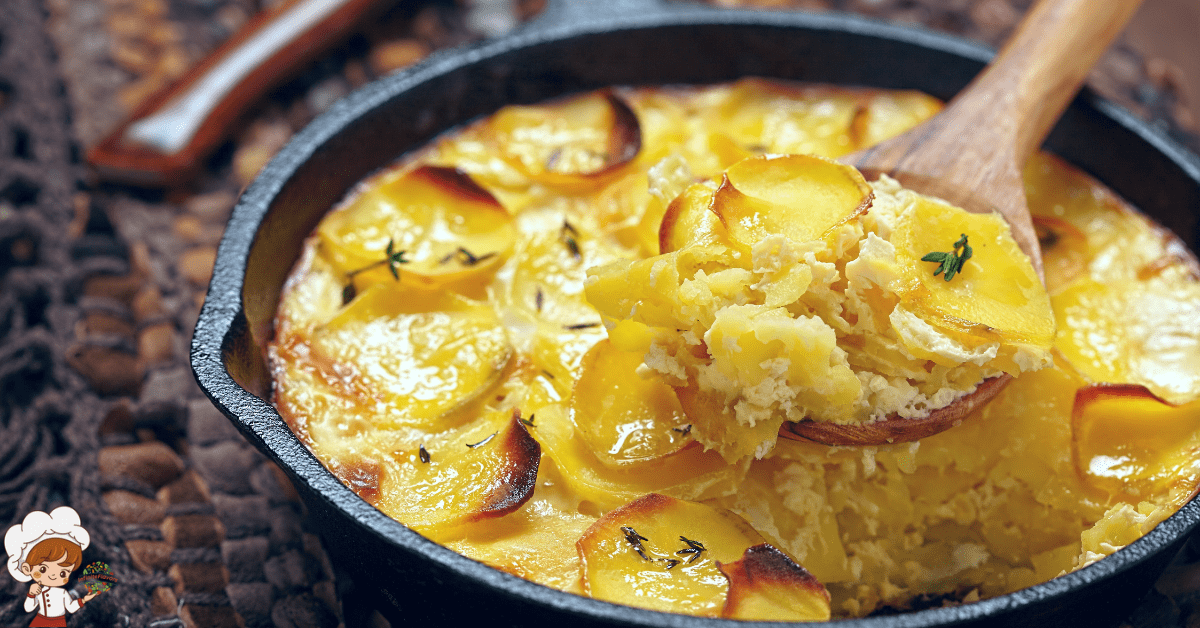
The Best Cheese For Gratinating Dishes; When you want to create a deliciously golden and bubbly gratin, choosing the right cheese is essential. Go for Gruyère or Comté for their rich, nutty flavors and excellent melting qualities. Fontina and Mozzarella also melt beautifully, adding creamy textures. Parmesan can give you that crunchy crust you crave, while Cheddar offers a sharp, tangy punch. If you’re looking for something unique, try Blue Cheese for bold flavor. Each cheese brings its own flair, so mix and match for the perfect dish. Keep exploring these options to find the one that makes your gratin unforgettable!
Gruyère
When it comes to cheese for gratinating dishes, Gruyère stands out as a top choice. Its rich, nutty flavor and excellent melting properties make it perfect for creating that golden, bubbly top you crave in casseroles, gratins, and other baked dishes. You’ll find that Gruyère varieties range from mild and creamy to more robust and aged, giving you options to suit your taste and the dish you’re preparing. Aged Gruyère, for instance, offers a deeper flavor that can elevate your recipe to new heights.
However, if you can’t find Gruyère or need a quick alternative, don’t worry! There are several Gruyère substitutes that can work just as well. Emmental is a popular choice, with a similar texture and flavor profile, making it easy to swap in for Gruyère, especially in dishes like fondue. Another option is Jarlsberg, which has a slightly sweeter taste but still melts beautifully. If you’re looking for something a bit sharper, try using a combination of Swiss cheese and Parmesan. This blend can replicate the unique characteristics of Gruyère while adding a bit of complexity to your dish.
Comté
How does Comté compare to other cheeses for gratinating? If you’re looking for a cheese that melts beautifully and adds a rich, nutty flavor to your dishes, Comté should be at the top of your list. This French cheese, made from unpasteurized cow’s milk, excels in gratinating due to its excellent melting properties. With a range of Comté varieties available, you can choose one that suits your palate—whether you prefer a mild, creamy option or a more robust, aged flavor.
Comté aging plays a significant role in its taste and texture. Typically aged for a minimum of four months, but often much longer, the cheese develops complex flavors that can elevate your gratin. The longer the aging, the more intense the flavor becomes, making it a delightful pairing for vegetables, potatoes, or pasta dishes. When melted, it forms a beautifully smooth and stretchy texture, creating that irresistible golden crust you desire in a gratin.
Using Comté in your recipes not only enhances the dish’s flavor but also provides a lovely color and texture that will impress anyone at your table. So, the next time you’re whipping up a gratin, consider reaching for Comté. Its unique qualities and versatility will make your dish stand out and leave your diners asking for seconds.
Fontina
When you think about gratinating dishes, Fontina should be at the top of your list. Its exceptional melting qualities create a creamy texture that elevates any meal. Plus, the rich flavor profile pairs beautifully with a variety of ingredients, making it a versatile choice for your culinary creations.
Melting Qualities of Fontina
Fontina cheese is a top choice for gratinating dishes due to its exceptional melting qualities. When you heat Fontina, it transforms into a creamy, smooth texture, making it perfect for layering over vegetables, pasta, or meats. The texture comparison with other cheeses, like mozzarella or cheddar, highlights Fontina’s superior meltability. While mozzarella may stretch, Fontina offers a velvety finish that coats your dish beautifully.
One of the standout features of Fontina is its heat tolerance. It remains stable under high temperatures, allowing you to achieve that ideal golden crust without burning. This quality makes it an excellent option for broiling or baking, where consistent melting is vital. When you add Fontina to your gratins, you’ll notice how it melds seamlessly with other ingredients, enhancing the overall dish while providing a rich, comforting experience.
Using Fontina in your gratinating recipes guarantees you get that perfect gooey texture that elevates your meal. Whether you’re preparing classic French gratins or modern takes on comfort food, Fontina’s melting qualities will not disappoint.
Flavor Profile and Pairings
With its rich, nutty flavor and creamy undertones, Fontina complements a wide range of ingredients, enhancing both simple and complex dishes. When you’re looking for pairing suggestions, consider using Fontina with earthy vegetables like mushrooms and asparagus. Its creamy texture balances the earthiness, creating a delightful flavor combination.
For proteins, Fontina shines alongside chicken and seafood. Try it melted over grilled chicken or incorporated into a seafood gratin, where its flavor elevates the dish beautifully. Don’t forget about pasta! Fontina pairs wonderfully with creamy sauces, adding depth and richness that makes every bite memorable.
Herbs can also enhance Fontina’s flavor profile. Fresh thyme, rosemary, or even a touch of sage can bring out the cheese’s nutty notes and create an aromatic experience. If you’re feeling adventurous, experiment with sweet elements like caramelized onions or roasted garlic. The sweetness contrasts with Fontina’s richness, making for a delicious flavor combination.
Best Dishes for Gratinating
For a truly indulgent experience, consider using Fontina in your gratin dishes. This cheese melts beautifully, creating a rich and creamy texture that elevates any meal. When you think about the best dishes for gratinating, think about classic combinations like potatoes and leeks or cauliflower and broccoli. The earthy flavors of these vegetables pair perfectly with Fontina’s nutty undertones.
You can also experiment with gratinating techniques to maximize flavor. Try layering thinly sliced potatoes with Fontina and a sprinkle of herbs for a delightful potato gratin. If you’re feeling adventurous, mix in some sautéed mushrooms or spinach to add depth. Other great combinations include zucchini and tomatoes, which can be dressed with a hint of garlic and topped with Fontina for a fresh summer dish.
Don’t forget about proteins! Chicken or fish can also be gratinated, creating a luxurious main course. Just coat your protein with Fontina, bake until bubbly, and watch it transform into a delicious centerpiece. With Fontina, your gratin dishes will not only look impressive but taste divine, making any meal feel like a special occasion.
Parmesan
When you think of Parmesan, you’re probably imagining its distinct, nutty flavor and sharp aroma that elevate any dish. This cheese not only brings a robust taste but also melts beautifully, creating a delightful texture in your gratins. Let’s explore how these characteristics make Parmesan a top choice for your cooking adventures.
Flavor Profile and Aroma
Parmesan often shines as a top choice for gratinating dishes, thanks to its rich, nutty flavor and sharp aroma. When you incorporate Parmesan into your meals, you’ll notice how it enhances the overall taste profile of the dish. Its umami notes play well with a variety of ingredients, making it a versatile option among cheese varieties.
You can easily use Parmesan in various cooking techniques, whether you’re baking, broiling, or roasting. The cheese’s bold flavor doesn’t just add depth; it also complements the natural flavors of vegetables, meats, and pastas. When you sprinkle grated Parmesan on top of a dish before cooking, the aroma that wafts through your kitchen is simply irresistible.
Pairing Parmesan with herbs like thyme or rosemary can elevate your gratin even further. The cheese’s sharpness balances beautifully with these fresh flavors, creating a well-rounded dish. Whether you’re preparing a classic potato gratin or a more innovative vegetable bake, the distinctive flavor of Parmesan guarantees your culinary creations are memorable. So next time you’re in the kitchen, don’t hesitate to reach for that block of Parmesan to take your gratinating dishes to the next level!
Melting Characteristics and Texture
With its unique melting characteristics and grainy texture, Parmesan adds a distinct touch to gratinated dishes. Unlike some cheeses that melt smoothly, Parmesan tends to soften while retaining a bit of its structure, giving your dish a delightful bite. This quality makes it ideal for various gratinating techniques, where you want a crunchy, golden crust on top.
When using Parmesan, you might want to experiment with cheese combinations. Mixing it with softer cheeses like mozzarella or Gruyère can create a rich, creamy melt while still benefiting from Parmesan’s flavor and texture. The contrast between the creamy and grainy elements enhances your gratin, making every bite interesting.
Incorporating grated or shaved Parmesan into your dish not only elevates the flavor but also guarantees that you get those coveted crispy bits. Remember, the key is to use it in moderation so that its robust taste shines through without overpowering other ingredients. So, next time you’re gratinating a dish, don’t forget to reach for that trusty Parmesan to elevate your culinary creation!
Mozzarella
Mozzarella is a beloved cheese that brings a creamy texture and mild flavor to gratin dishes. Its unique melting properties make it an excellent choice for achieving that gooey, golden top you crave. When you think about mozzarella, you’re likely considering the various mozzarella varieties available, each with its own characteristics. Fresh mozzarella, for example, is soft and moist, ideal for lighter gratins, while low-moisture mozzarella offers a firmer texture and can yield a more pronounced melting effect.
You can explore mozzarella uses in a variety of gratin dishes. Imagine layering fresh tomatoes and basil with slices of fresh mozzarella for a Caprese-style gratin. Alternatively, if you’re aiming for something heartier, try combining low-moisture mozzarella with sautéed vegetables and a sprinkle of breadcrumbs for a deliciously satisfying side dish.
Another great option is to mix mozzarella with other cheeses, like Parmesan or Gruyère, to enhance the flavor profile of your gratin. The creaminess of mozzarella complements the sharpness of these harder cheeses, resulting in a well-rounded dish.
Additionally, mozzarella’s mild flavor allows it to blend seamlessly with various ingredients, whether you’re working with rich meats or delicate vegetables. Remember, it’s important to monitor the cooking time, as mozzarella can become overly stretchy if overcooked. So, next time you’re preparing a gratin, don’t hesitate to reach for mozzarella; it’s sure to elevate your dish to new heights!
Cheddar
Cheddar is a fantastic choice for gratin dishes, bringing a sharp, tangy flavor that can elevate any recipe. When you think of cheddar, you might picture the classic yellow block, but there’s a world of cheddar varieties out there waiting to be explored. From mild to extra sharp, each type offers a unique profile that can transform your gratin into something spectacular.
For a creamy and smooth texture, opt for a mild cheddar. It blends beautifully with other ingredients, making it perfect for dishes like potato gratin or mac and cheese. If you’re after a bolder flavor, try sharp or extra sharp cheddars. These varieties pack a punch and stand out in dishes, complementing roasted vegetables or even creamy sauces.
When it comes to cheddar recipes, don’t hesitate to get creative. You can mix different cheddar varieties for a depth of flavor that’s hard to beat. Imagine a gratin that layers sharp cheddar with a sprinkle of smoked cheddar for a smoky twist. Another great idea is to incorporate spices or herbs that pair well with cheddar, like garlic or thyme, to enhance the overall taste.
Incorporating cheddar into your gratins not only adds flavor but also creates a delightful crust that’s golden and bubbly. So, next time you’re planning a cheesy dish, remember that cheddar can be your best friend in the kitchen!
Gouda
When you think of Gouda, you’re in for a treat with its rich, nutty flavor that enhances any dish. This cheese melts beautifully, making it perfect for gratin dishes that need that creamy texture. Plus, pairing Gouda with the right ingredients can elevate your meal to a whole new level.
Flavor Profile of Gouda
Gouda brings a rich and creamy flavor to the table, making it a favorite for gratinating dishes. This Dutch cheese offers a unique taste that can vary greatly depending on the gouda varieties you choose. Young gouda is mild and buttery, while aged gouda packs a stronger, nuttier flavor, perfect for adding depth to your recipes.
When you think about gouda recipes, consider how its versatility shines in both savory and sweet applications. You can melt young gouda into a creamy macaroni and cheese, creating a delightful comfort food that everyone loves. On the other hand, aged gouda can elevate a simple vegetable gratin, giving it a sophisticated twist that impresses your guests.
You might also enjoy experimenting with flavored gouda varieties, like smoked gouda, which adds a distinct, smoky undertone to your dishes. Whether you’re preparing a classic potato gratin or a gourmet cauliflower bake, gouda’s rich flavor profile enhances every bite. Its creamy texture not only complements other ingredients but also guarantees a luscious mouthfeel. So, next time you’re planning a gratin, don’t overlook gouda—it’s a cheese that truly delivers on flavor.
Melting Characteristics Explained
Understanding gouda’s melting characteristics is key to achieving the perfect gratin. This cheese variety boasts a relatively low melting point, which means it melts smoothly and evenly when heated. Gouda’s creamy texture allows it to blend beautifully with other ingredients, enhancing your dish’s overall flavor.
When you think about cheese types suitable for gratins, gouda stands out due to its ability to create a rich, gooey layer on top. Its melting point makes it ideal for achieving that desirable golden crust. Whether you’re using young gouda for a mild flavor or aged gouda for a more robust taste, you’ll notice how well it melts under heat.
Keep in mind that not all cheese types melt the same way. Some cheeses can become greasy or separate, while gouda maintains a smooth consistency. This quality makes it a favorite among chefs and home cooks alike. If you’re looking for a cheese that enhances your gratin’s texture and flavor, gouda’s melting characteristics will not disappoint. So next time you’re preparing a gratin, consider gouda for that perfect, creamy finish.
Best Pairings for Gouda
If you’re looking to elevate your dish, pairing gouda with the right accompaniments can make all the difference. Gouda’s creamy texture and mild flavor allow it to shine alongside various foods, enhancing your gouda recipes.
Start with fruits like apples and pears, which provide a revitalizing contrast to gouda’s richness. For a savory twist, consider pairing gouda varieties like smoked or aged gouda with cured meats such as prosciutto or salami. These combinations create a delicious balance, perfect for charcuterie boards.
When it comes to vegetables, roasted asparagus or caramelized onions work wonders with gouda, adding depth and sweetness to your dish. You can also try incorporating gouda into pasta dishes or gratins. The cheese melts beautifully, creating a luscious texture that’s hard to resist.
Don’t forget about bread! A crusty baguette or artisanal crackers can serve as the perfect vehicle for gouda, allowing you to enjoy its flavor in a simple yet satisfying way. Experiment with these pairings, and you’ll find that gouda can elevate any meal to new heights.
Brie
When you’re looking to elevate your gratin dishes, Brie stands out as a creamy and indulgent choice. Its rich texture and mild, buttery flavor melt beautifully, creating a luxurious layer that enhances any dish. Whether you opt for classic Brie or one of the many brie varieties like double or triple cream, you’re sure to impress your guests with the decadent results.
To use Brie in your gratin, simply slice it thinly or cut it into small cubes. As it melts, it will blend with other ingredients, creating that perfect gooey consistency you crave. Try pairing it with vegetables like potatoes or mushrooms, or even in a seafood gratin. The balance of flavors is truly delightful.
If you find yourself without Brie on hand, don’t worry. There are several brie substitutes that can still achieve a delicious outcome. Creamy cheeses like Camembert or even a mild goat cheese can work in a pinch. They won’t replicate the exact taste, but they’ll provide a similar creaminess that’s essential for gratin dishes.
Experiment with different combinations and enjoy the rich, satisfying results. Whether you’re making a traditional dish or something a bit more adventurous, incorporating Brie will certainly elevate your culinary creations. So next time you’re preparing a gratin, consider reaching for that wheel of Brie to transform your dish into something truly extraordinary.
Havarti
Havarti is another fantastic option for gratinating dishes, offering a creamy texture and mild flavor that melts beautifully. This semi-soft cheese, originally from Denmark, boasts a unique ability to blend seamlessly with other ingredients, making it a versatile choice in the kitchen. Its smooth and buttery consistency enhances any dish you choose to create, whether it’s a comforting gratin or a gourmet pasta bake.
When you think about Havarti uses, consider its exceptional melting properties. You can easily incorporate it into vegetable gratins, where the cheese will create a luscious, gooey layer on top. It pairs wonderfully with roasted vegetables, allowing the flavors to meld together harmoniously. You can also use Havarti in traditional dishes like mac and cheese, where its creamy texture elevates the dish to a new level.
If you want a cheese that won’t overpower your dish, Havarti is the way to go. Its mild flavor profile allows it to complement a variety of ingredients, making it perfect for those who prefer a subtler taste. You might even experiment with flavored Havarti varieties, like dill or jalapeño, to add an extra layer of excitement to your gratinated creations.
Swiss
Swiss cheese is often a go-to choice for gratinating dishes, thanks to its distinctive nutty flavor and excellent melting qualities. When you choose Swiss for your gratin, you’re opting for a cheese that not only enhances the taste but also creates that desirable gooey texture. Whether you’re whipping up a classic Swiss dish like fondue or a modern twist on a gratin, this cheese works beautifully.
You’ll find several Swiss varieties available, each bringing its unique spin to your dishes. Emmental is perhaps the most recognized, known for its mild, slightly sweet flavor and large holes. It melts evenly, making it perfect for a potato gratin or a cheesy pasta bake. Gruyère, another popular Swiss variety, has a more robust flavor profile, adding depth to your recipes. It’s excellent for topping off a vegetable gratin, balancing the dish with its nuttiness.
Don’t forget about Appenzeller, which offers a spicier kick, ideal for adventurous eaters. Its bold taste can elevate any gratin, making it stand out on the dinner table.
When using Swiss cheese in your gratinating dishes, remember to layer it generously. The cheese’s melting properties will create a deliciously bubbly crust that’s sure to impress your guests. So, next time you’re planning a meal, consider incorporating Swiss varieties into your gratin—your taste buds will thank you!
Pecorino
Pecorino brings a unique character to gratinating dishes that can complement or contrast with the creaminess of cheese like Swiss. This Italian cheese, made from sheep’s milk, offers a delightful sharpness that elevates your culinary creations. When you’re looking for the right Pecorino variety, consider Pecorino Romano for its robust flavor, which works beautifully in savory gratins. On the other hand, Pecorino Sardo provides a milder, nutty taste, perfect for enhancing vegetable dishes without overpowering them.
When you pair Pecorino with other ingredients, the possibilities are endless. Think about combining it with roasted vegetables or creamy sauces—its saltiness can enhance the dish’s overall flavor. For a standout gratin, layer thinly sliced potatoes with Pecorino and a touch of cream. The cheese melts beautifully and forms a golden, crispy crust that you won’t be able to resist.
You might also explore Pecorino pairings with herbs like rosemary or thyme to introduce additional layers of flavor. Don’t forget about incorporating it into a classic mac and cheese; mixing it with a bit of Gruyère can create a delightful contrast.
Blue Cheese
Incorporating blue cheese into gratinating dishes adds a bold and distinctive flavor that can elevate your culinary experience. Whether you’re using a crumbly Roquefort or a creamy Gorgonzola, the rich, tangy notes of blue cheese varieties can create a delicious contrast with other ingredients. You’ll find that blue cheese melts beautifully, developing a luscious texture that enhances the overall dish.
When you’re considering blue cheese pairings, think about how its robust flavor interacts with other ingredients. Pair it with earthy vegetables like mushrooms or spinach for a satisfying combination. You can also mix it into potato gratins for a creamy, savory twist. If you’re feeling adventurous, try blending blue cheese with milder cheeses, like mozzarella or Gruyère, to balance the intensity while still enjoying that unique flavor.
To enhance the dish further, add a drizzle of honey or a sprinkle of nuts on top after baking. These additions complement the tanginess of the blue cheese and create texture, making each bite a delightful experience.
Frequently Asked Questions: The Best Cheese For Gratinating Dishes
What Is the Best Way to Store Cheese for Gratinating?
To store cheese properly, wrap it in parchment paper or wax paper, then place it in an airtight container. Keep it at an ideal temperature between 34°F and 38°F to maintain freshness and flavor.
Can I Mix Different Cheeses for Gratin Dishes?
Absolutely, you can mix different cheeses for gratin dishes! Experiment with cheese blending techniques and explore flavor pairing suggestions. Combining sharp and creamy cheeses creates depth, enhancing your dish’s overall taste and texture. Enjoy the creativity!
How Do I Choose Cheese Based on Dish Type?
When choosing cheese, consider the dish type. Creamy cheeses enhance smooth textures, while sharper varieties add depth. Match flavor profiles with your ingredients; a savory dish may need a robust cheese, while lighter meals benefit from milder options.
Is Aged Cheese Better for Gratinating Than Fresh Cheese?
When choosing cheese, aged cheese benefits you with deeper flavors and better melting properties. Fresh cheese drawbacks include less flavor and a tendency to remain watery. For gratinating, aged cheese’s richness truly stands out.
What Are Some Vegetarian Cheese Options for Gratin Recipes?
When you’re looking for vegetarian cheese options for gratin recipes, consider varieties like mozzarella, fontina, or gouda. They’ve got excellent cheese melting properties, ensuring your dish turns out creamy and delicious every time you bake.

Conclusion
When it comes to gratinating dishes, choosing the right cheese makes all the difference. Whether you opt for the nutty richness of Gruyère, the creamy delight of Fontina, or the sharpness of Pecorino, each cheese brings its unique flavor and texture to your meal. Experimenting with combinations can elevate your dishes even further. So, next time you’re in the kitchen, grab one or more of these cheeses and watch your gratin transform into a delicious masterpiece!
If you enjoyed exploring this topic and want to dive even deeper, be sure to check out some of our other articles here on Infinite Flavors. From rich culinary histories to creative twists on classic recipes, there’s always something new to discover. Whether you’re curious about the origins of a dish, looking for fresh inspiration in the kitchen, or simply love learning about food culture, our collection of posts is the perfect next step on your flavor journey.
The Great Difference Between Gratinating And Broiling
Simple Gratinating Recipes For Dinner
A Great Beginner’s Guide To Gratinating Technique